
 By Anna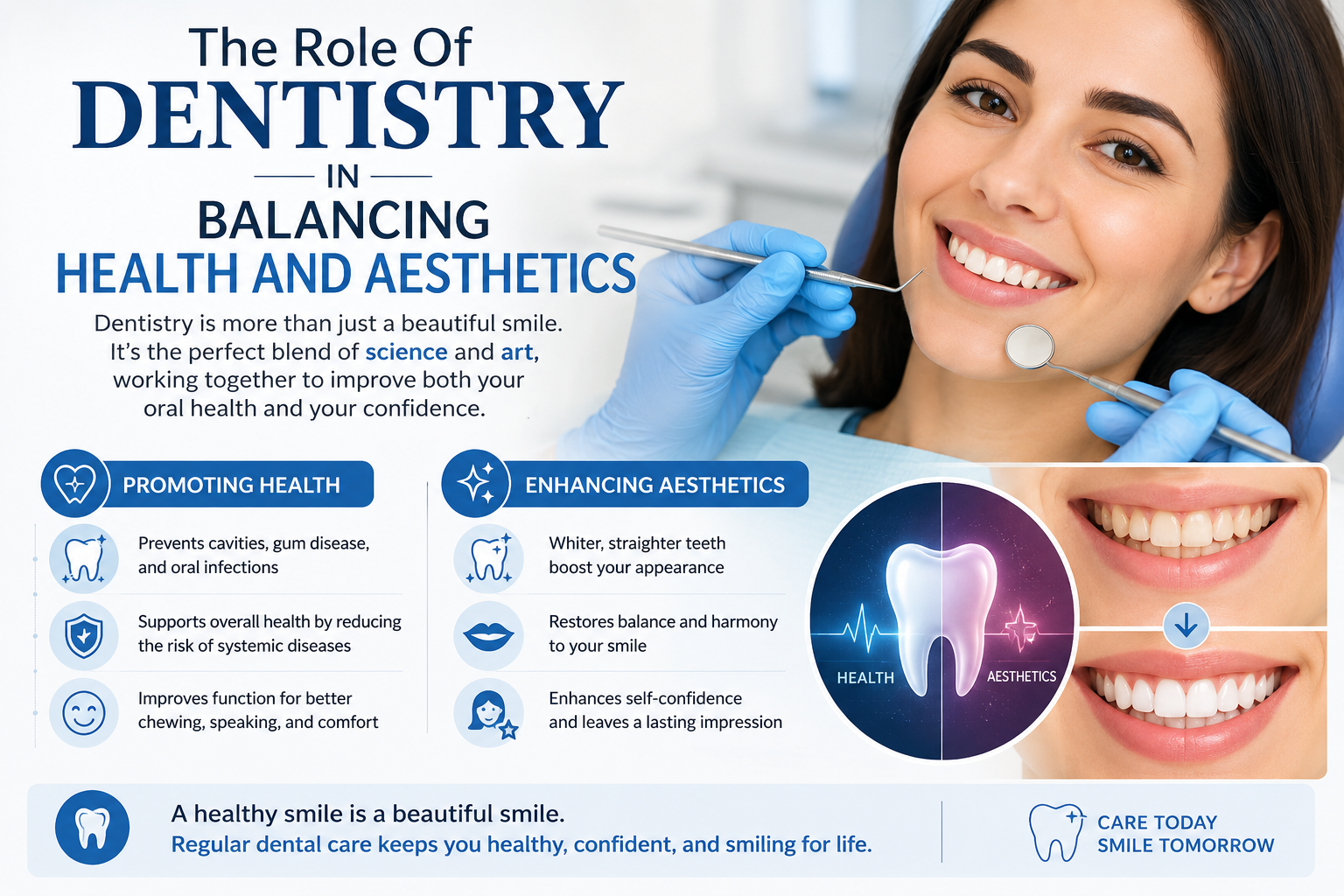
Your teeth affect more than your smile. They shape how you eat, speak, breathe, and feel about yourself. Modern care does not force you to choose between health and looks. Instead, it links them. Strong teeth usually look better. Healthy gums often mean fresher breath and less pain. Straight teeth are easier to clean and less likely to break. Many people first visit a dentist because of a chipped tooth or a crooked smile. They often discover deeper problems like decay, grinding, or gum disease. Care that respects both health and appearance can stop these problems before they grow. It can also protect your heart, blood sugar, and sleep. Morgan Hill dentistry reflects this balance. It treats your mouth as part of your whole body. This blog explains how you can protect your health, improve your smile, and feel calm in the chair at the same time.
How Oral Health Connects To Your Whole Body
Your mouth is a gateway to the rest of your body. Germs that build up on teeth and gums do not stay put. They enter your blood and strain your heart, lungs, and immune system. Gum disease links to heart disease, stroke, and trouble with blood sugar control. The Centers for Disease Control and Prevention explains that untreated gum disease can raise health risks for people of every age.
You may notice warning signs like bleeding when you brush, swelling, or bad breath that will not go away. These are not small issues. They are early alarms. When you treat them, you protect more than your teeth. You lower stress on your heart. You support clear speech and strong chewing. You also protect jaw joints that guide every bite and every word.
Why A Healthy Mouth Often Looks Better
Health and appearance move together. When teeth and gums stay clean and strong, they tend to look calm and even. You do not need a movie star smile to see this. You only need teeth that are clean, steady, and pain free.
Here are three simple links between health and looks.
- Clean teeth stain less and reflect light more evenly.
- Firm pink gums frame each tooth and keep the smile line smooth.
- Aligned teeth spread bite forces so edges chip less and stay more even.
Stains, chips, and gaps often point to deeper problems. Grinding can flatten teeth and strain jaw joints. Untreated cavities can darken and weaken teeth from the inside. Gum loss can make teeth look longer and create dark spaces. When you focus on health first, cosmetic steps often work better and last longer.
Comparing Common Dental Treatments
You face many choices in the chair. It helps to see how treatments support both health and appearance. The table below offers a simple guide.
| Treatment | Main Health Benefit | Main Aesthetic Benefit | Typical Use
|
| Regular cleaning | Removes plaque and tartar. Lowers risk of gum disease. | Reduces surface stains. Freshens breath. | Every 6 months for most people. |
| Fluoride and sealants | Strengthen enamel and prevent cavities. | Keep teeth smooth and uniform. | Children and cavity prone adults. |
| Fillings | Stop decay and restore function. | Tooth colored materials blend with nearby teeth. | Small to medium cavities. |
| Root canal with crown | Saves infected teeth and relieves pain. | Crown restores shape and color. | Deep decay or injury. |
| Orthodontics | Improves bite and eases cleaning between teeth. | Straighter smile and aligned jaw. | Crowding, gaps, or bite problems. |
| Whitening | None if used alone. Works best after cleaning and exam. | Lightens tooth color. | Stains from food, drink, or tobacco. |
You can use this table to plan care with your dentist. Start with what protects health. Then add steps that support how you want to look.
When Cosmetic Goals Come First
You might seek care because you avoid photos, hide your smile, or feel judged at work or school. These feelings are real. They can drain your confidence and energy. Cosmetic care can help. Yet it needs a solid base.
A whitening treatment on teeth with untreated decay can cause sharp pain. Veneers on unhealthy gums can fail and fall off. Aligners on loose teeth can speed up tooth loss. You deserve a plan that keeps you safe.
A good dentist starts with three questions.
- Are your gums free of infection.
- Are your teeth strong enough for cosmetic changes.
- Will the change help your bite and speech, not only your photos.
Once these answers are clear, you can choose steps that match your budget and goals. You stay in control. You also avoid repeat work and regret.
Daily Habits That Support Health And Aesthetics
You have more power than you think. Most gains in oral health come from simple habits at home. The National Institutes of Health stresses that brushing, flossing, and smart food choices lower disease risk and improve quality of life.
Focus on three habits.
- Brush twice each day with fluoride toothpaste for two minutes.
- Clean between teeth daily with floss or an interdental tool.
- Limit sugary drinks and snacks, especially between meals.
You can add a simple mouth rinse if your dentist suggests it. You can also wear a night guard if you grind your teeth. These steps protect enamel and fill your day with less pain and less worry.
Helping Children Balance Health And Appearance
Children watch how you treat your own teeth. When you show care, they learn that oral health deserves respect. You can start early. Wipe baby gums with a clean cloth. Schedule the first visit by age one or when the first tooth appears. Keep visits calm and brief. Praise effort, not perfection.
As children grow, they often care about crooked teeth or stains. Take these worries seriously. An early orthodontic check can guide jaw growth and prevent more complex work later. A cleaning and polish can lift stains and boost pride. When children feel heard, they face care with more trust and less fear.
How To Talk With Your Dentist About Your Goals
You have the right to clear answers. Before or during your visit, write down three things.
- What hurts or worries you right now.
- What you want your smile to look like in one year.
- How much time and money you can invest.
Share this list. Ask your dentist to mark which steps protect health, which improve looks, and which do both. Ask about risks, benefits, and other options. If something feels rushed or unclear, say so. Calm and honest talk leads to better choices and less regret. It also builds trust that helps during future visits.
Taking The Next Step
Balanced dental care does more than fix teeth. It supports your heart, your sleep, your speech, and your confidence. You do not need a perfect smile. You only need a healthy one that feels strong and true to you. Start with a checkup. Ask for a plan that guards your health and respects how you want to look. Then follow small steps at home. Over time, your mouth can become a source of strength instead of stress.