
 By Jason Roy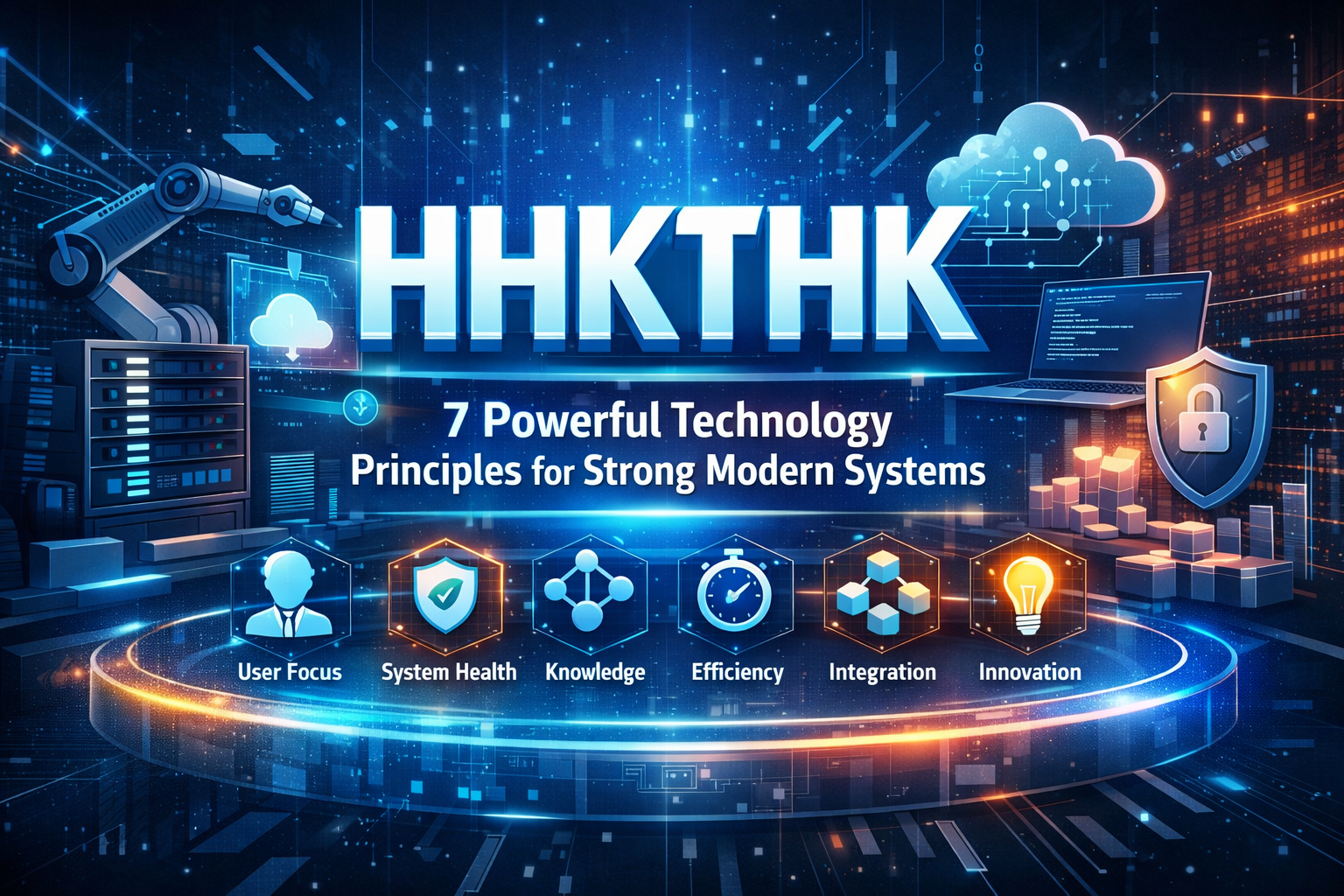
Technology changes fast. New ideas appear to solve problems in systems data and communication. One emerging concept is HHKTHK. This idea focuses on simple technology principles that help teams design better digital systems. HHKTHK is not a single product or tool. It is a technology approach that connects learning communication system thinking and innovation. Engineers developers and technology teams can use this idea to improve how they build and manage digital solutions EDFVSDRV.
This article explains the HHKTHK technology concept. It covers its principles structure uses and benefits in modern technology environments.
What Is HHKTHK
HHKTHK is a technology mindset that helps teams design reliable systems and solve complex problems. The concept focuses on six core ideas that guide technical work.
| Letter | Technology Principle |
|---|---|
| H | Human centered design |
| H | High system health |
| K | Knowledge sharing |
| T | Time efficiency |
| H | Harmonized systems |
| K | Key innovation |
These ideas support modern technology development. They help teams build systems that are efficient stable and scalable.
Core Principles of HHKTHK Technology
HHKTHK works best when teams follow its main principles. These principles guide the design development and management of technology systems.
Human Centered Design
Technology must solve real problems for users. Human centered design focuses on usability performance and accessibility.
Key goals include
-
clear user experience
-
simple interface design
-
fast system response
-
reliable application behavior
User focused design improves adoption and satisfaction.
High System Health
A strong system must stay stable under different conditions. System health measures how well technology performs during normal operation and high load.
Important system health factors include
-
server reliability
-
application stability
-
network performance
-
monitoring and alerts
Healthy systems reduce downtime and improve trust.
Knowledge Sharing
Technology teams must share knowledge to improve productivity and innovation. Knowledge sharing helps teams avoid repeating mistakes and supports faster development.
Examples of knowledge sharing include
-
technical documentation
-
code reviews
-
team training sessions
-
internal knowledge bases
Strong knowledge culture improves long term project success.
Time Efficiency
Time efficiency is critical in technology development. Teams must deliver reliable solutions without wasting resources.
Common methods to improve time efficiency include
-
automation tools
-
continuous integration systems
-
agile workflows
-
optimized development pipelines
Efficient processes help teams release products faster.
Harmonized Systems
Modern technology environments contain many connected components.
Examples include
-
cloud services
-
databases
-
APIs
-
user interfaces
-
security layers
HHKTHK promotes harmonized systems where every component works smoothly with others. System harmony improves scalability and reduces technical conflicts.
Key Innovation
Innovation drives technology progress. HHKTHK encourages teams to explore new solutions while maintaining system stability.
Innovation can include
-
new algorithms
-
advanced automation
-
improved data processing
-
smarter infrastructure management
Innovation helps companies remain competitive in the technology market.
Structure of the HHKTHK Technology Model
The HHKTHK model can be viewed as a layered technology structure.
| Layer | Focus |
|---|---|
| User Layer | user interface and experience |
| Application Layer | software services and business logic |
| Data Layer | data storage management and analytics |
| Infrastructure Layer | servers cloud resources and networks |
| Innovation Layer | optimization automation and research |
Each layer must work together to create a reliable digital environment.
How HHKTHK Supports Modern Technology Systems
HHKTHK principles can be applied to many technology fields.
Software Development
Developers can use HHKTHK to improve development practices.
Key improvements include
-
cleaner code structure
-
stronger testing processes
-
better collaboration between developers
-
faster deployment pipelines
These practices improve software quality and reliability.
Cloud Infrastructure
Cloud systems require careful design to maintain stability and performance.
HHKTHK helps teams focus on
-
infrastructure monitoring
-
automated scaling
-
resource efficiency
-
system redundancy
Cloud platforms benefit from structured design principles.
Data Engineering
Modern systems depend on data pipelines and analytics platforms.
HHKTHK supports better data architecture through
-
efficient data processing
-
strong data validation
-
scalable storage solutions
-
knowledge sharing between teams
These improvements lead to more reliable data platforms.
Cybersecurity
Security must be part of every technology system.
HHKTHK helps organizations improve security by focusing on
-
continuous monitoring
-
secure coding practices
-
threat detection systems
-
coordinated response processes
Security integrated into system design reduces risk.
Practical Technology Applications of HHKTHK
Technology teams can apply HHKTHK principles in several practical ways.
System Monitoring
Continuous monitoring ensures that systems remain stable and healthy.
Monitoring tools track
-
CPU usage
-
memory consumption
-
network traffic
-
application errors
Early detection of issues prevents system failure.
DevOps Workflow
DevOps practices align well with the HHKTHK concept.
Key DevOps activities include
-
automated testing
-
continuous integration
-
continuous deployment
-
infrastructure as code
These practices improve development speed and reliability.
Technical Documentation
Documentation is critical for long term system maintenance.
Important documentation types include
-
architecture diagrams
-
API documentation
-
deployment guides
-
troubleshooting manuals
Good documentation supports knowledge sharing across teams.
Performance Optimization
Performance optimization improves system efficiency and user experience.
Common optimization strategies include
-
database query tuning
-
caching systems
-
load balancing
-
efficient data indexing
Optimized systems perform faster and handle more users.
Benefits of the HHKTHK Technology Approach
Technology teams gain many advantages by applying HHKTHK principles.
| Benefit | Description |
|---|---|
| Higher system reliability | stable infrastructure reduces downtime |
| Better collaboration | teams share knowledge and skills |
| Faster development | efficient workflows improve delivery speed |
| Strong scalability | systems grow without performance loss |
| Continuous innovation | new ideas improve technology solutions |
These benefits help organizations maintain strong digital platforms.
Steps to Implement HHKTHK in Technology Projects
Technology teams can follow a simple process to implement HHKTHK principles.
Step One Define System Goals
Teams must clearly understand the purpose of the system.
Goals may include
-
improved performance
-
higher scalability
-
better security
Clear goals guide technical decisions.
Step Two Build Strong Architecture
System architecture must support reliability and scalability.
Architecture planning should include
-
cloud infrastructure
-
microservices design
-
data management strategy
-
security integration
Strong architecture prevents future technical problems.
Step Three Create Efficient Workflows
Teams must use workflows that support collaboration and productivity.
Examples include
-
agile development methods
-
DevOps pipelines
-
automated testing systems
Efficient workflows reduce development delays.
Step Four Monitor and Improve Systems
Technology systems must evolve over time.
Continuous monitoring helps teams
-
detect system issues
-
improve performance
-
introduce new innovations
Regular improvements keep technology platforms competitive.
Challenges in Technology Systems Without HHKTHK
Technology projects often fail when teams ignore structured principles.
Common challenges include
-
poor communication between developers
-
unstable system infrastructure
-
slow development cycles
-
lack of documentation
-
weak system monitoring
HHKTHK addresses these problems by promoting organized technical processes.
Future of HHKTHK in Technology
Technology systems are becoming more complex every year. Cloud computing artificial intelligence and large scale data processing require structured thinking.
HHKTHK can support the future of technology by encouraging
-
stronger system design
-
efficient development processes
-
improved knowledge sharing
-
continuous innovation
As technology grows more advanced teams will need clear frameworks that help manage complexity.
Frequently Asked Questions
What is HHKTHK in technology?
HHKTHK is a technology concept that focuses on system health knowledge sharing time efficiency innovation and strong system design. It helps teams build reliable and scalable digital systems.
Why is HHKTHK important in modern technology?
HHKTHK helps technology teams improve system stability development speed and collaboration. It also supports better infrastructure design and innovation.
How can HHKTHK improve software development?
HHKTHK improves software development by encouraging clear architecture efficient workflows knowledge sharing and continuous improvement.
Can it be used in cloud infrastructure?
Yes. It supports cloud environments by promoting system monitoring scalable architecture automation and resource efficiency.
Conclusion
It represents a modern technology mindset that focuses on system health knowledge sharing time efficiency innovation and strong architecture. The concept helps technology teams build reliable scalable and efficient systems. By following the HHKTHK principles organizations can improve software development infrastructure management data systems and cybersecurity. Technology continues to evolve quickly. Teams that adopt structured approaches such as HHKTHK will be better prepared to design stable digital platforms and deliver high quality solutions in the future.