
 By Jason Roy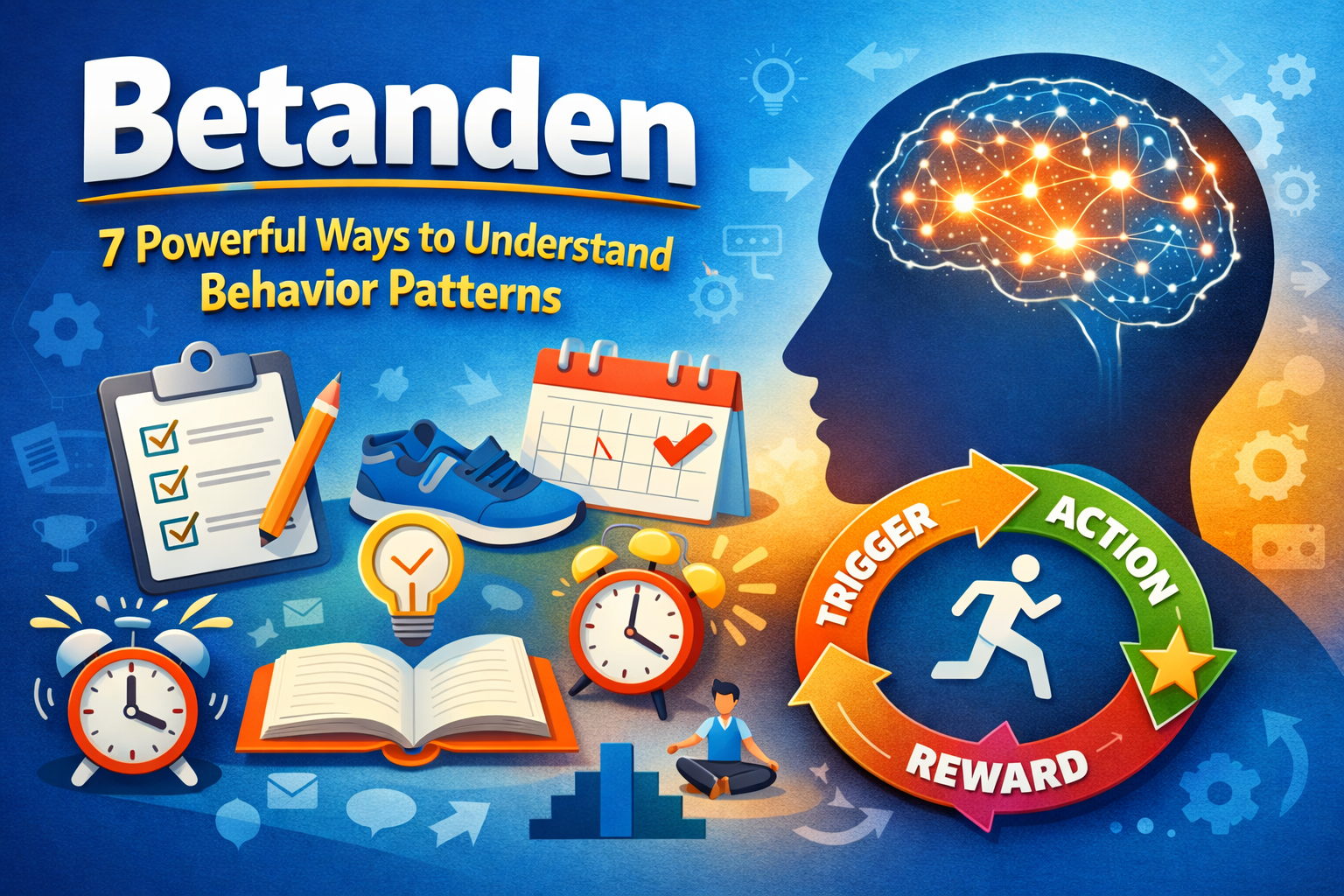
People do many actions every day. Some actions are planned. Many actions happen without thinking. These repeated actions form behavior patterns. These patterns affect work health emotions and relationships. The idea of Betanden explains these repeated behavior patterns. The term is often used to describe habits routines and reactions that happen again and again in daily life Simpciry.
When people understand their behavior patterns they can improve their habits. They can replace harmful routines with better ones. This can lead to better focus stronger relationships and a healthier lifestyle. This article explains Betanden in simple terms. It shows how behavior patterns develop why they matter and how people can improve them.
What Is Betanden
Betanden means repeated patterns of behavior. These patterns appear when a person performs the same action many times. Over time the brain learns the action. The action becomes automatic. The person performs it without thinking.
Examples of common behavior patterns include
-
Checking the phone after waking up
-
Drinking coffee every morning
-
Watching videos during breaks
-
Delaying difficult work tasks
These habits may look small. But when they repeat every day they become strong routines.
Main Features of Betanden
Behavior patterns share several common features.
Repetition
An action becomes a pattern when it repeats many times.
Automatic response
The brain begins to perform the action without active thinking.
Environmental influence
Places people and situations can trigger behavior.
Reinforcement
If an action gives comfort or satisfaction the brain repeats it again.
Long term effect
Habits shape lifestyle productivity and emotional reactions.
How Behavior Patterns Form
Behavior patterns develop step by step. Each step makes the habit stronger.
Behavior Pattern Process
| Stage | Meaning | Example |
|---|---|---|
| Trigger | A situation or feeling starts the behavior | Feeling bored |
| Action | A routine behavior happens | Opening social media |
| Result | The person feels satisfaction or relief | Entertainment or distraction |
| Reinforcement | The brain remembers the reward | The habit repeats next time |
When this process repeats many times the behavior becomes automatic.
Examples of Betanden in Daily Life
Behavior patterns appear in many areas of life.
Work Habits
People often develop patterns in their work routine.
Common examples include
-
Starting work immediately each morning
-
Checking email before doing tasks
-
Waiting until the last moment to finish work
-
Taking regular breaks to rest
Some patterns improve productivity. Other patterns may slow progress.
Digital Habits
Technology has created many new behavior patterns.
Common digital patterns include
-
Checking notifications frequently
-
Scrolling social media during free time
-
Watching videos before sleep
-
Using phones during meals
These habits can affect focus and time management.
Emotional Reactions
Behavior patterns also affect emotions.
Examples include
-
Feeling stressed before presentations
-
Reacting with anger during arguments
-
Avoiding difficult conversations
-
Staying calm during pressure situations
These reactions often come from past experiences.
Psychological Reasons Behind Behavior Patterns
Human behavior follows certain psychological rules. These rules explain why habits develop.
Subconscious actions
The brain tries to save energy. It prefers automatic actions instead of thinking every time. This is why many daily habits happen without conscious effort.
Influence of environment
Environment affects behavior.
Examples include
-
A quiet room supports concentration
-
A noisy space causes distraction
-
A clean workspace improves motivation
Changing the environment can change behavior.
Habit and identity
Repeated actions shape identity.
Examples include
-
A person who reads every day may see themself as a learner
-
A person who exercises often may see themself as healthy
Behavior patterns slowly build personal identity.
Types of Behavior Patterns
Behavior patterns can appear in many forms.
| Pattern Type | Meaning | Example |
|---|---|---|
| Productivity pattern | Work habits and task routines | Planning daily tasks |
| Emotional pattern | Reactions to stress or pressure | Staying calm during conflict |
| Social pattern | Communication behavior | Listening carefully during conversation |
| Digital pattern | Technology habits | Checking messages frequently |
| Health pattern | Wellness routines | Exercising regularly |
Recognizing these patterns helps people understand their daily habits.
Why Understanding Betanden Is Important
Understanding behavior patterns gives many benefits.
Self awareness
People can notice habits that help them and habits that harm them.
Benefits include
-
Better understanding of emotions
-
Awareness of productivity habits
-
Recognition of unhealthy routines
Better decisions
When people know their habits they can choose better actions.
This leads to
-
Thoughtful responses
-
Improved planning
-
Better problem solving
Personal improvement
Small habit changes can lead to large results.
Examples include
-
Working in focused time blocks
-
Reducing phone distractions
-
Building healthy routines
Positive Behavior Patterns
Positive habits support growth and well being.
Examples include
-
Waking up early
-
Exercising regularly
-
Planning tasks for the day
-
Reading or learning daily
These habits improve health productivity and focus.
Negative Behavior Patterns
Some habits may cause problems if they repeat too often.
Examples include
-
Procrastination
-
Excessive screen time
-
Avoiding responsibilities
-
Reacting emotionally without thinking
Recognizing negative patterns helps people change them.
Uses of Betanden in Different Areas
Understanding behavior patterns can help in many fields.
Personal growth
People can improve habits and reach goals more easily.
Examples include
-
Daily goal setting
-
Habit tracking
-
Time management routines
Education
Students can develop strong study habits.
Helpful study behaviors include
-
Regular study schedules
-
Organized learning plans
-
Focused reading sessions
Workplace performance
Organizations also study behavior patterns.
Benefits include
-
Better teamwork
-
Clear communication
-
Efficient task management
Mental well being
Understanding emotional triggers helps reduce stress.
People can develop habits such as
-
Deep breathing
-
Reflection and journaling
-
Calm problem solving
Steps to Improve Behavior Patterns
Improving habits takes time and effort. Small steps can create strong results.
Step 1 Identify triggers
Notice situations that cause certain behaviors.
Examples include
-
Stress leading to procrastination
-
Boredom leading to phone use
Step 2 Track habits
Write down daily habits to see patterns clearly.
Tools may include
-
Habit tracking apps
-
Daily journals
-
Checklists
Step 3 Replace negative habits
Changing a habit works better than removing it completely.
Examples include
-
Replace social media scrolling with walking
-
Replace procrastination with small task steps
Step 4 Build consistent routines
Repeating positive habits every day strengthens them.
Examples include
-
Morning planning routines
-
Daily exercise time
-
Evening reflection or reading
Challenges in Changing Behavior
Changing habits can be difficult.
Common challenges include
-
Lack of motivation
-
Stress or emotional triggers
-
Environmental distractions
-
Old habits returning during busy periods
Patience and consistency help overcome these challenges.
Signs That a Habit Is Forming
Certain signs show that a behavior is becoming a habit.
These signs include
-
Performing the action without thinking
-
Feeling uncomfortable when skipping the routine
-
Repeating the action in similar situations
-
Associating the behavior with certain places or times
Recognizing these signs helps people manage habits.
Frequently Asked Questions
What is Betanden?
Betanden means repeated behavior patterns or habits that people follow in daily life. These patterns develop when actions are repeated many times and become automatic.
Why is Betanden important?
Betanden helps explain why people repeat certain behaviors. Understanding these patterns can help improve habits productivity and emotional responses.
How do Betanden patterns form?
Behavior patterns form through repetition. A trigger starts an action and when the action gives a positive result the brain remembers it and repeats the behavior.
Can Betanden habits be changed?
Yes behavior patterns can change. People can replace negative habits with positive routines through awareness practice and consistency.
What are examples of Betanden in daily life?
Examples include checking a phone frequently procrastinating tasks following a daily workout routine or reacting emotionally during stressful situations.
Conclusion
Betanden explains the behavior patterns that shape daily life. These patterns develop through repetition and reinforcement. Over time they become automatic habits. Understanding behavior patterns helps people improve their routines. Positive habits support health productivity and emotional balance. Negative habits can be replaced with better actions. Small changes in daily routines can create powerful results. When people become aware of their behavior patterns they gain the ability to guide their habits and build a better lifestyle.