
 By ibrahim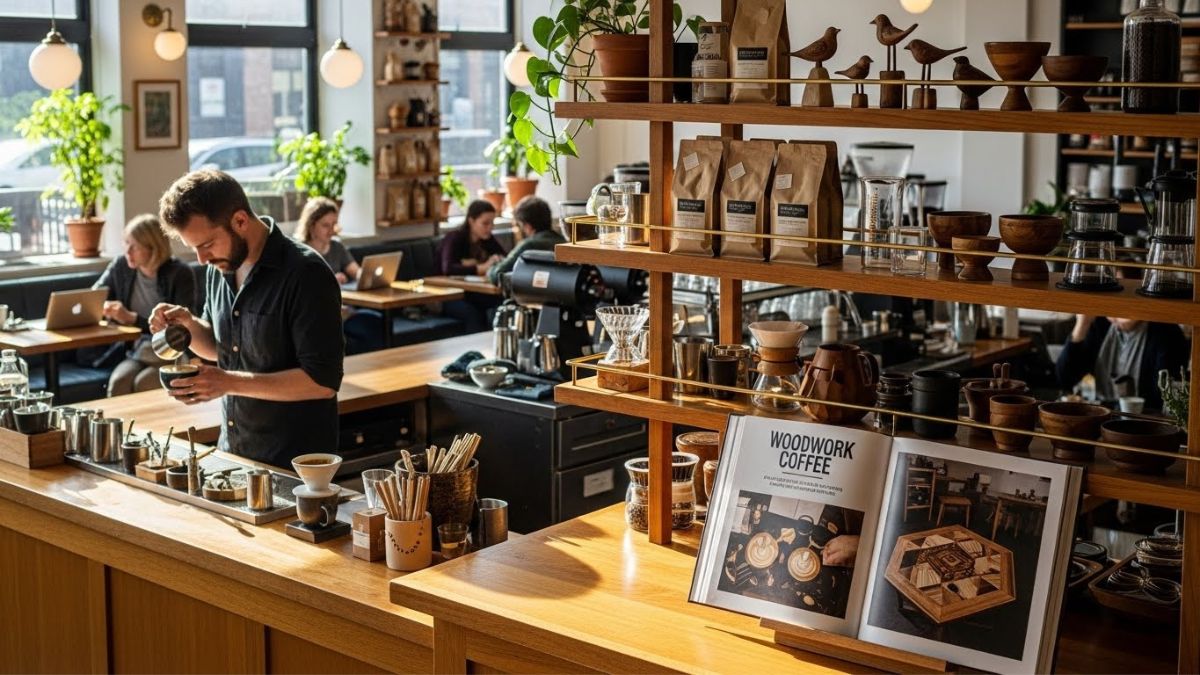
The term woodwork coffee has become increasingly popular in recent years, describing not only a warm and rustic café atmosphere but also a style that merges handcrafted woodworking with the cultural depth of coffee. In this article, we explore how woodwork coffee blends artisanal craftsmanship, interior design, coffee culture, and lifestyle aesthetics. From wooden brewing stations to handcrafted tables, woodwork coffee has evolved into a style that resonates with coffee lovers seeking ambiance, creativity, and comfort.
Understanding the Woodwork Coffee Concept
At its core, woodwork coffee refers to a design approach where wooden elements and artisan woodworking techniques shape the visual and functional identity of a coffee space. This style is common in modern cafés, home coffee bars, and specialty brewing setups.
Wood is naturally warm, textured, and versatile, making it the perfect material to complement the earthy aroma and flavor of coffee. When blended with the right lighting, layout, and brewing equipment, woodwork coffee creates a relaxing environment ideal for socializing, working, or enjoying quiet time.
Why Woodwork Coffee Has Become a Popular Trend
The rising popularity of woodwork coffee stems from changing consumer preferences. Today, people seek atmospheres that feel natural, authentic, and personal. Coffee culture is no longer just about the drink—it’s about the experience, environment, and craftsmanship.
Below is a table illustrating why the woodwork coffee concept resonates so strongly with modern café visitors:
| Factor | Explanation |
|---|---|
| Warm Ambience | Wood enhances comfort and natural aesthetics. |
| Craftsmanship | Handmade furniture reflects authenticity. |
| Sustainability | Wood aligns with eco-friendly values. |
| Versatility | Fits rustic, modern, or minimalist décor. |
| Coffee Culture Fit | Pairs well with artisanal brewing styles. |
This blend of craft and culture creates a memorable drinking experience, which is why woodwork coffee cafés continue to rise worldwide.
The Role of Craftsmanship in Woodwork Coffee Spaces
Every woodwork coffee environment tells a story of craftsmanship. From carved wooden shelves to handcrafted espresso bars, woodworking adds artistic personality to a space. Craftsmen often incorporate elements such as:
-
Natural grain patterns
-
Custom-made cabinetry
-
Hand-carved furniture
-
Reclaimed wood installations
-
Wooden coffee accessories (trays, tampers, drippers)
Within these spaces, craftsmanship is not just décor—it is part of the café’s identity. The beauty of woodwork coffee lies in transforming ordinary coffee moments into rich and meaningful experiences.
Interior Design Principles Behind Woodwork Coffee
Design plays an essential role in shaping the visual harmony of a woodwork coffee environment. This aesthetic can be rustic, Scandinavian, industrial, or modern minimalist, depending on the type of wood, finishes, and layout choices.
To understand how wood impacts the overall design, consider the following table that highlights the types of wood commonly used in woodwork coffee interiors:
| Wood Type | Characteristics | Ideal Use |
|---|---|---|
| Oak | Durable, strong grain | Countertops, tables |
| Walnut | Dark, elegant finish | Shelves, accent walls |
| Pine | Light, budget-friendly | Seating, decorative pieces |
| Teak | Moisture-resistant | Outdoor areas |
| Maple | Smooth, uniform color | Cabinets, stools |
Such choices ultimately influence how customers perceive the space—cozy, refined, or artistic.
Creating a Woodwork Coffee Environment at Home
With the rise of home brewing, many people are bringing the woodwork coffee aesthetic into their kitchen or dedicated coffee corner. Achieving this style at home is easier than many think.
Here are essential steps to creating your own woodwork coffee vibe:
Choose the Right Wooden Furniture
Start with a wooden table, shelf, or small brewing station. Smooth finishes and natural colors help create a warming effect.
Add Wooden Coffee Accessories
Items like wooden pour-over stands, serving trays, or espresso tampers instantly reinforce the aesthetic.
Incorporate Complementary Décor
Plants, warm lighting, and textured fabrics enhance balance and visual appeal.
Keep the Space Clean and Minimal
Woodwork coffee interiors work best when clutter is minimized. Clean lines let the wood aesthetic shine.
Woodwork Coffee in Modern Cafés and Business Branding
Businesses are increasingly adopting woodwork coffee themes to strengthen their branding. Customers naturally associate wood with:
-
Trust
-
Authenticity
-
Nature
-
Sustainability
-
Craftsmanship
This makes it a valuable branding tool. Cafés using the woodwork coffee style often attract customers who value slow living, artisanal drinks, and comfortable spaces.
Below is a detailed breakdown of how woodwork coffee supports branding:
| Branding Aspect | Impact |
|---|---|
| Visual Identity | Creates a recognizable style |
| Customer Experience | Amplifies comfort and atmosphere |
| Brand Values | Aligns with sustainability and craftsmanship |
| Customer Loyalty | Invites repeat visits |
| Social Media Appeal | Highly photogenic aesthetic |
Because the wood-based décor pairs beautifully with latte art, rustic mugs, and brewing equipment, cafés adopting this style tend to enjoy higher engagement on visual platforms.
The Emotional Appeal of Woodwork Coffee Spaces
One reason why woodwork coffee resonates with people is its strong emotional appeal. Wood evokes:
-
Warmth
-
Calmness
-
Nostalgia
-
Creativity
-
Focus
When these emotional cues mix with the aroma of coffee, the experience becomes deeply comforting. People naturally feel more grounded in wooden environments, making these spaces ideal for reading, study, remote work, or casual conversation.
The synergy between wood and coffee enhances sensory pleasure—not just visually, but emotionally and mentally.
Sustainability in Woodwork Coffee Design
In a world increasingly focused on sustainability, woodwork coffee offers an environmentally friendly path for both homeowners and café owners. When sourced responsibly, wood is:
-
Renewable
-
Long-lasting
-
Recyclable
-
Biodegradable
-
Low-impact compared to plastics or metals
This makes it an eco-friendly choice that aligns with modern café values.
Sustainable wood also elevates the narrative of craftsmanship. Using reclaimed wood, for instance, adds history and deeper meaning to the coffee environment.
How Woodwork Coffee Impacts the Coffee Drinking Experience
Beyond the visual appeal, woodwork coffee has a significant impact on the sensory experience itself. Wooden tables and counters absorb light reflection, creating softer visuals that help drinkers slow down and appreciate the moment. Wood naturally absorbs sound as well, reducing echo and noise, making conversations more pleasant.
Additionally, wooden accessories—like wooden cup holders or serving trays—bring a tactile experience that feels more authentic than plastic or stainless steel.
The combination of sensory cues elevates coffee enjoyment, proving that woodwork coffee is much more than a trend—it is a lifestyle approach.
Future of Woodwork Coffee in Café Culture and Home Design
As coffee culture continues evolving, the woodwork coffee aesthetic is expected to grow even more. It aligns with consumer demands for:
-
Natural design
-
Handmade craftsmanship
-
Eco-conscious choices
-
Calm, inviting spaces
Future trends may include hybrid designs combining wood with stone, metal, or glass. We may also see AI-assisted woodworking tools helping craftsmen produce more precise, artistic wooden coffee bars and brewing pieces.
Conclusion
The concept of reflects a rich blend of craftsmanship, interior design, sustainability, and cultural meaning. Whether in a café or at home, woodwork coffee offers warmth, personality, and comfort. From handcrafted furniture to carefully designed coffee bars, every wooden element contributes to an experience that is immersive, soothing, and memorable.
Wood and coffee share a natural harmony, making a timeless aesthetic that appeals to both passionate coffee drinkers and design enthusiasts. As the trend evolves, one thing remains clear: the fusion of wood and coffee culture will continue shaping beautiful, inspiring spaces for years to come.