
 By ibrahim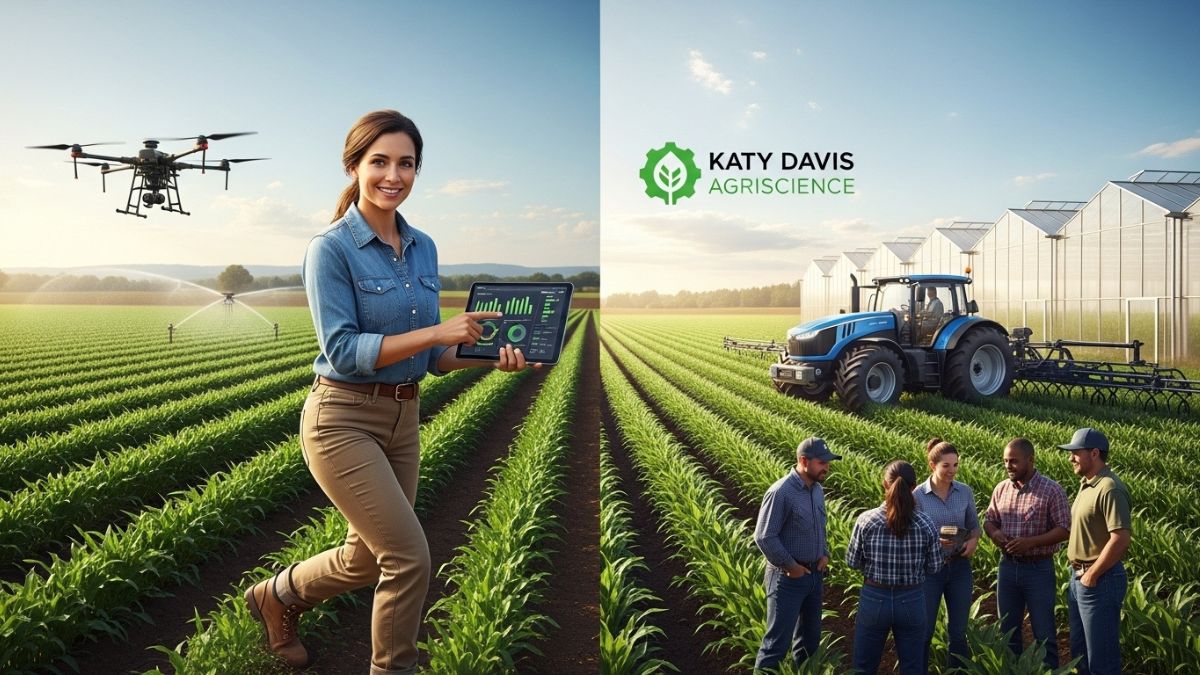
Agriculture is no longer limited to traditional farming methods; it has evolved into a science-driven industry that blends technology, sustainability, and education. Katy Davis agriscience represents this modern approach by highlighting how agriscience plays a critical role in shaping the future of food systems, environmental stewardship, and rural development. As global demand for sustainable agricultural solutions grows, agriscience-focused initiatives connected to Katy Davis agriscience continue to gain relevance.
This article explores the concept, impact, and educational value associated with Katy Davis agriscience, offering a complete and easy-to-understand overview for students, educators, and agriculture enthusiasts alike.
Understanding the Foundation of Katy Davis Agriscience
The core of lies in the integration of scientific principles with agricultural practices. Agriscience combines biology, chemistry, environmental science, and technology to improve crop production, animal health, and resource management.
it emphasizes learning through practical application. Instead of focusing solely on theory, this approach encourages hands-on experience, critical thinking, and problem-solving skills that are essential in today’s agricultural landscape.
Key Areas Within Katy Davis Agriscience
| Agriscience Area | Focus | Practical Outcome |
|---|---|---|
| Plant Science | Crop growth and genetics | Improved yields and resilience |
| Animal Science | Livestock health and nutrition | Ethical and efficient production |
| Environmental Science | Soil and water conservation | Sustainable land use |
These foundational areas help learners understand agriculture as a dynamic and evolving field rather than a static tradition.
The Educational Importance of Katy Davis Agriscience
Education plays a vital role in shaping the future of agriculture, and e stands as an example of how structured agriscience education can inspire innovation. Students exposed to agriscience early develop a stronger understanding of food systems, sustainability challenges, and scientific research methods.
Agriscience programs associated with often encourage collaboration, experimentation, and real-world application. This educational model prepares learners for careers not only in farming but also in biotechnology, environmental science, and agricultural engineering.
Practical Learning Through Katy Davis Agriscience Programs
One of the defining characteristics of is its emphasis on experiential learning. Practical activities such as greenhouse management, soil testing, and animal care allow students to connect theory with real outcomes.
This approach builds confidence and competence, making learning more engaging and meaningful. Students gain skills that are directly transferable to higher education and professional environments.
Learning Methods Used in Katy Davis Agriscience
| Learning Method | Description | Student Benefit |
|---|---|---|
| Hands-on Labs | Real agricultural experiments | Skill development |
| Field Projects | Outdoor learning experiences | Problem-solving ability |
| Research Tasks | Data collection and analysis | Scientific thinking |
These methods ensure that learning remains interactive and aligned with modern educational standards.
Sustainability and Innovation in Katy Davis Agriscience
Sustainability is a central theme within . Modern agriculture faces challenges such as climate change, soil degradation, and water scarcity. Agriscience provides the tools needed to address these issues responsibly.
Through sustainable farming techniques, resource-efficient practices, and environmental awareness promotes agriculture that meets present needs without compromising future generations.
Innovative practices such as precision agriculture, data-driven crop management, and renewable resource usage are often highlighted within agriscience frameworks, reinforcing the importance of science-based decision-making.
Technology’s Role in Katy Davis Agriscience
Technology has transformed agriculture, and reflects this transformation clearly. From digital soil analysis to automated irrigation systems, agriscience integrates technology to increase efficiency and accuracy.
Students and practitioners learn how data collection, analytics, and modern tools can enhance productivity while reducing environmental impact. This technological literacy is essential in a rapidly evolving agricultural industry.
Technological Applications in Agriscience
| Technology | Application | Impact |
|---|---|---|
| Precision Tools | Targeted planting and fertilization | Reduced waste |
| Data Analytics | Crop and soil monitoring | Better decision-making |
| Automation | Efficient farm operations | Time and cost savings |
By embracing technology prepares learners for the future of smart agriculture.
Career Opportunities Linked to Katy Davis Agriscience
Another important aspect of is its connection to diverse career paths. Agriscience is not limited to traditional farming roles; it opens doors to research, education, policy-making, and agribusiness.
Students trained in agriscience gain transferable skills such as analytical thinking, communication, and project management. These skills are valuable across multiple industries, making agriscience education highly versatile.
Community and Economic Impact of Katy Davis Agriscience
Beyond education and careers contributes to community development and economic growth. Strong agricultural knowledge supports local food systems, enhances food security, and strengthens rural economies.
Communities benefit when agriscience-trained individuals apply sustainable practices, support local producers, and promote environmental responsibility. This creates a positive cycle of growth and resilience.
The Future Outlook of Katy Davis Agriscience
The future of looks promising as global attention continues to shift toward sustainable food production and environmental care. With ongoing advancements in science and technology, agriscience education will become even more critical.
Expanding agriscience programs, encouraging innovation, and fostering partnerships between education and industry can further enhance the impact of in the years ahead.
Final Thoughts on Katy Davis Agriscience
In summary represents a forward-thinking approach to agriculture that combines education, sustainability, and innovation. By integrating scientific knowledge with practical application, it prepares individuals to tackle modern agricultural challenges effectively.
As agriculture continues to evolve, agriscience initiatives like will remain essential in building a sustainable, efficient, and resilient future for global food systems.